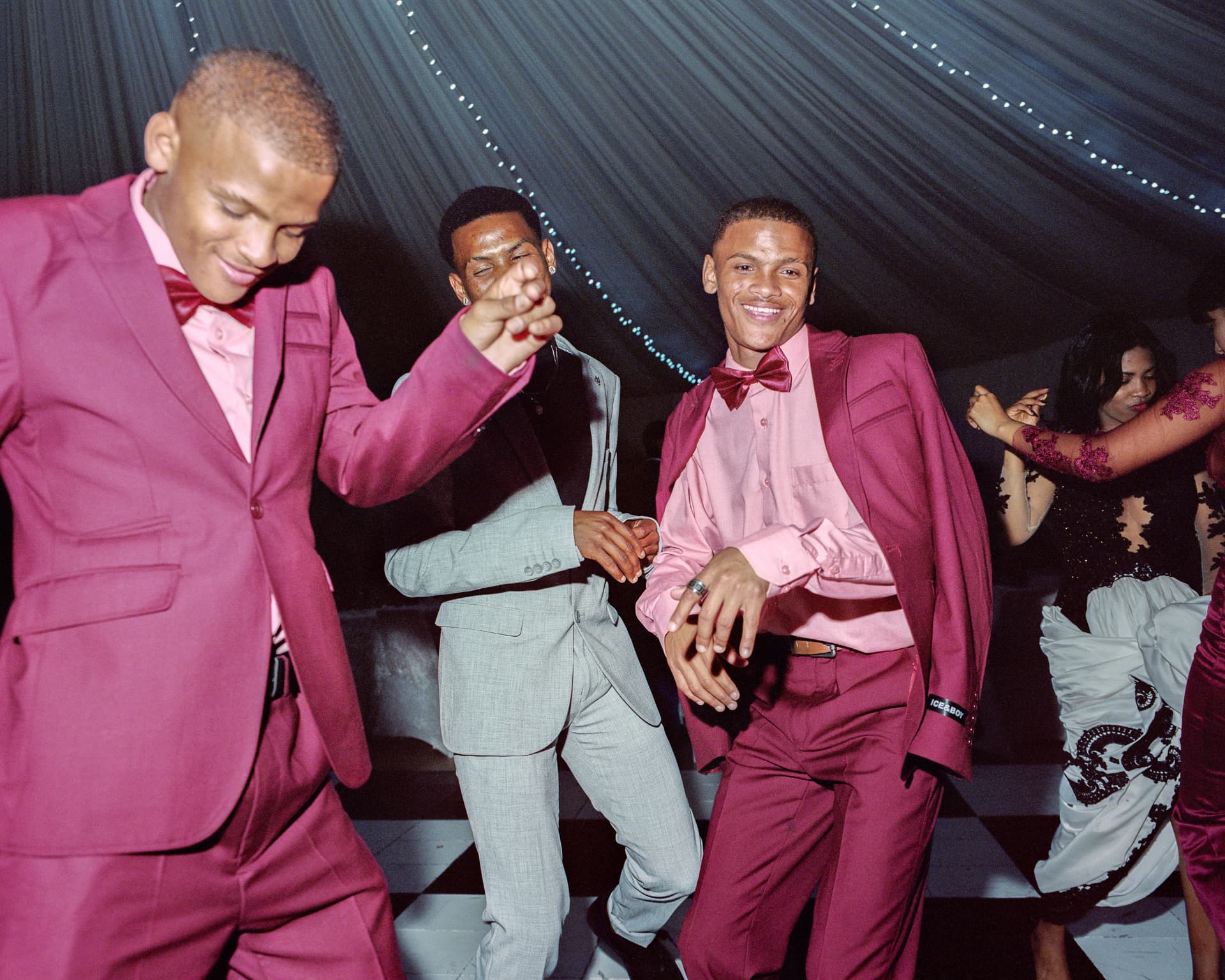

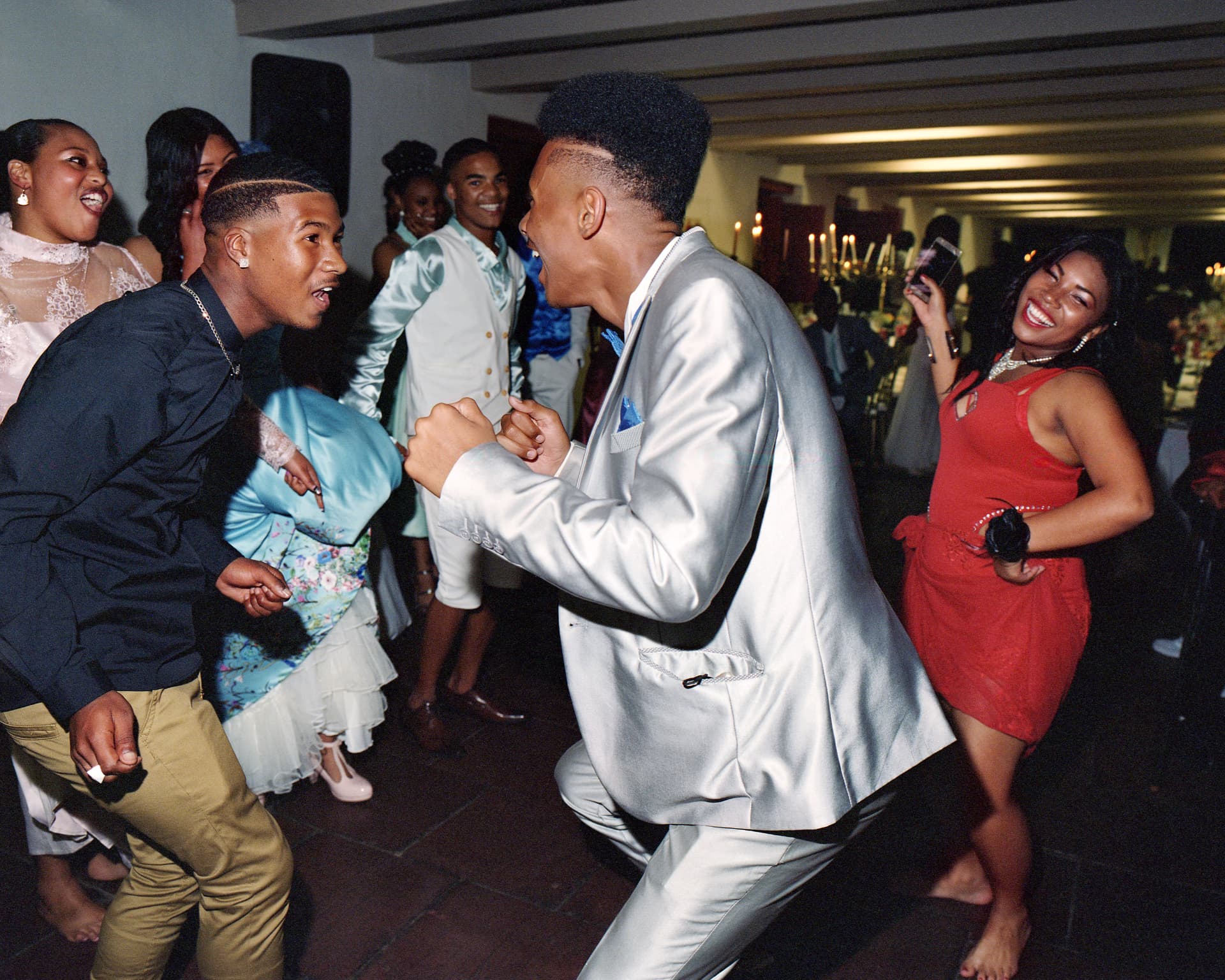

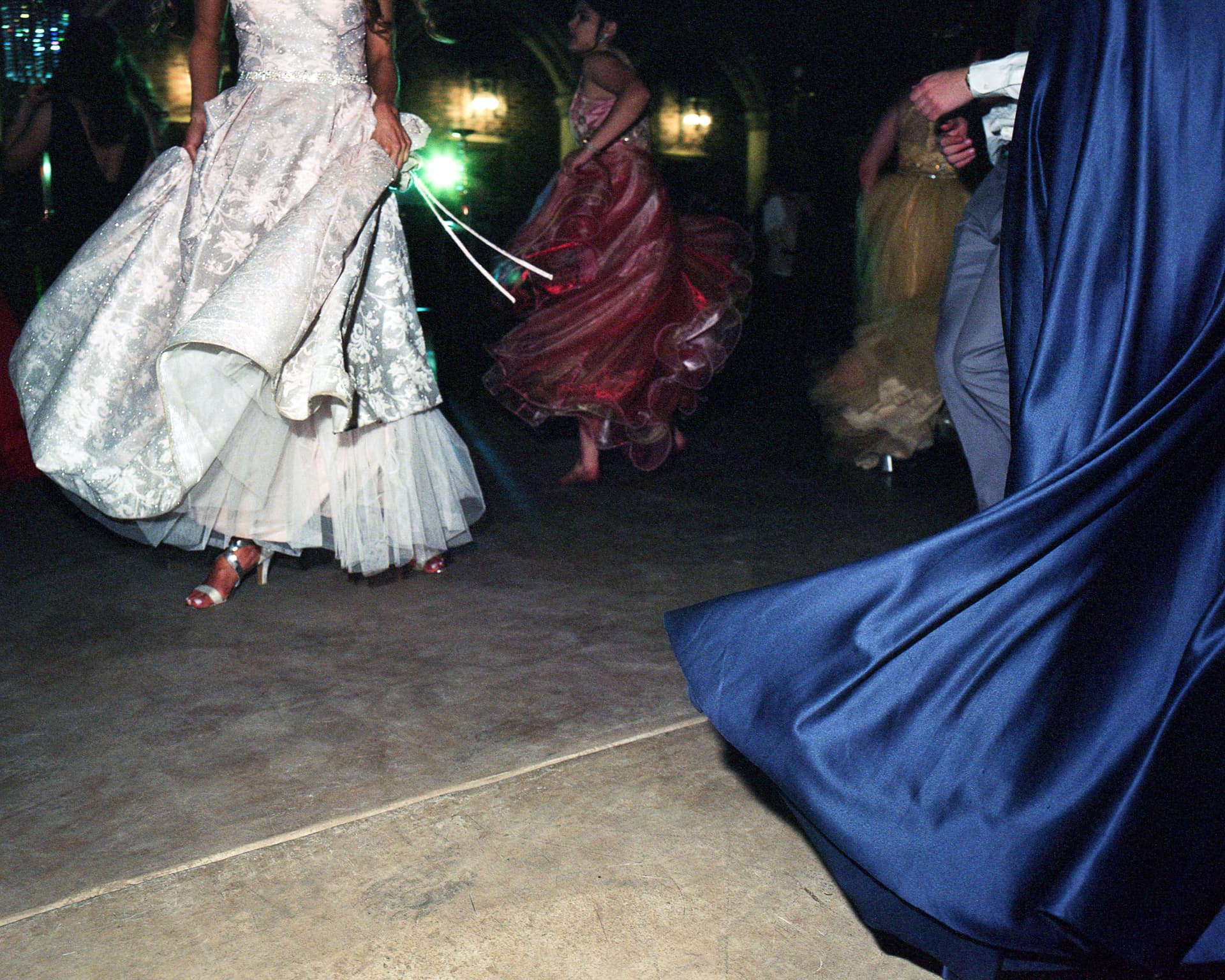
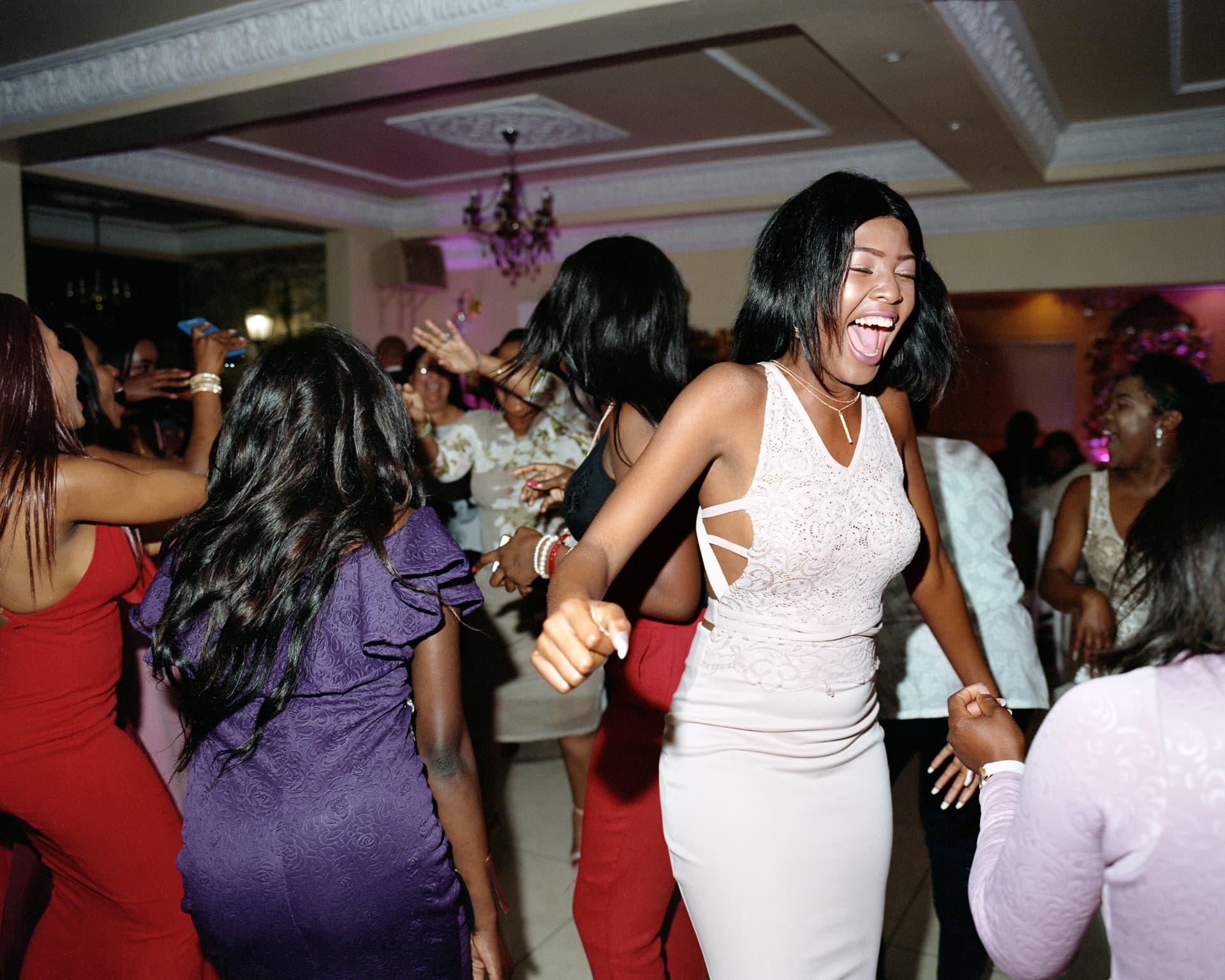

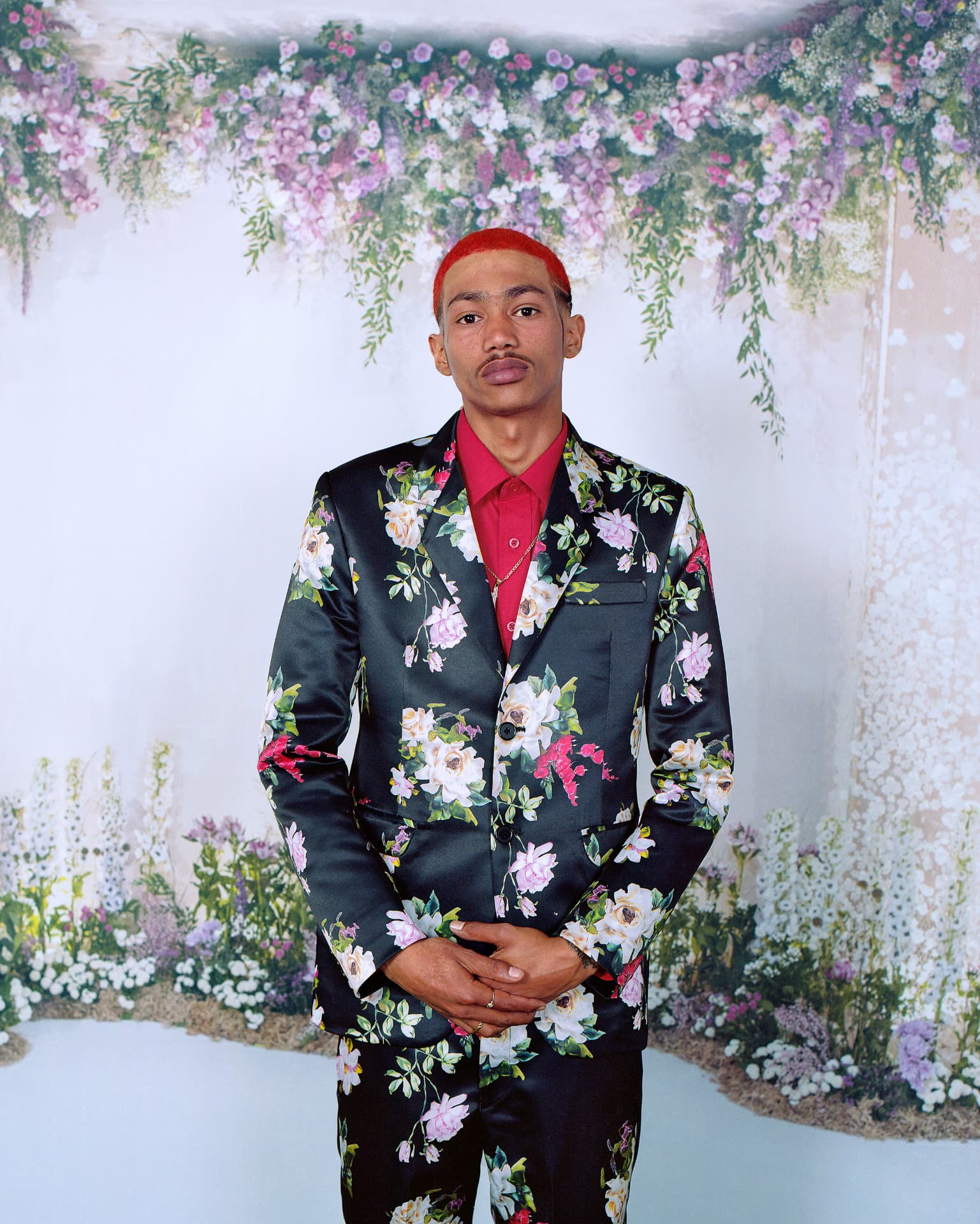
In South Africa the final year of high school is known as 'matric'. For learners here, the annual 'matric balls' are extravagant, elaborate occasions that carry huge significance and are highly anticipated rites of passage.
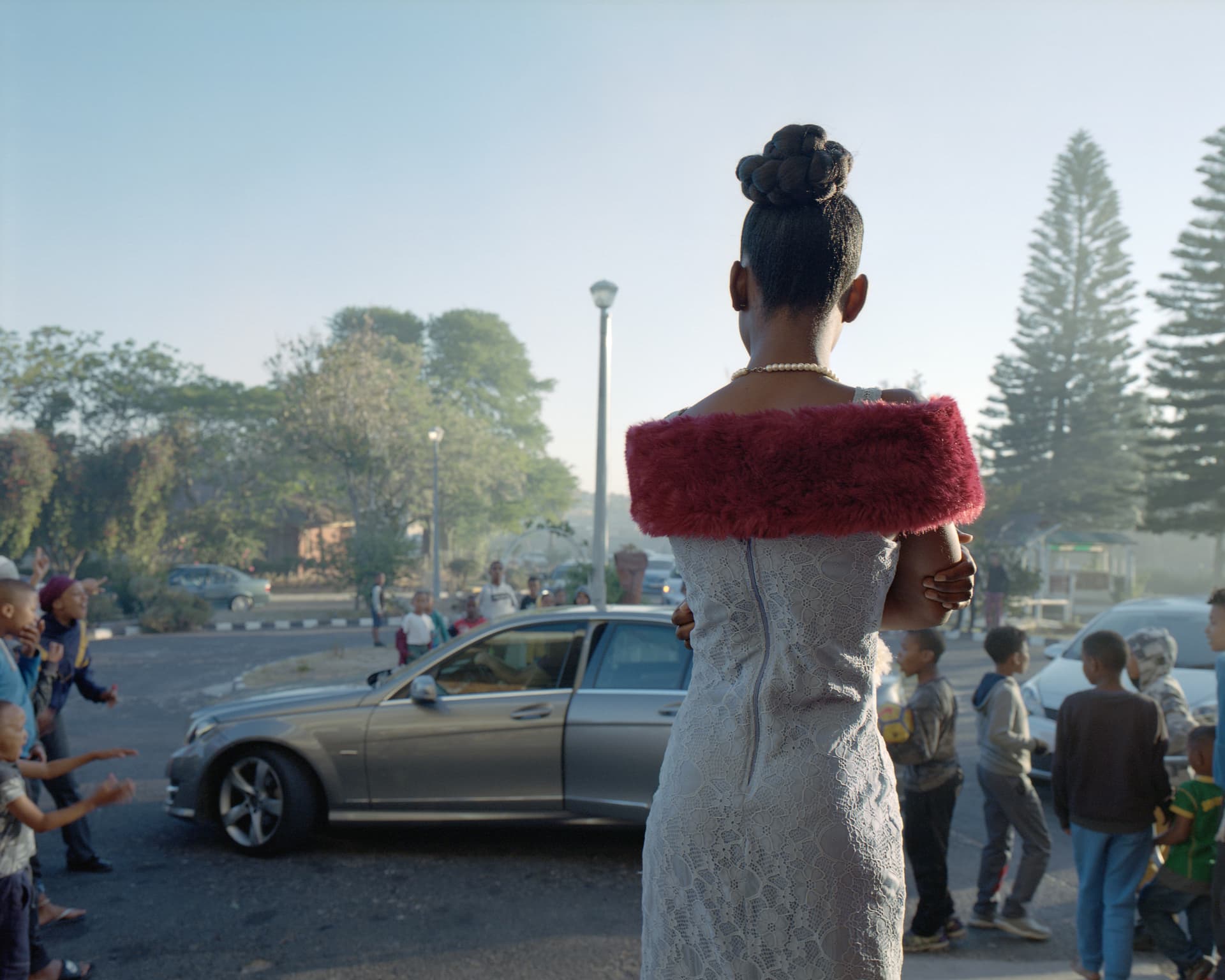
Learners will typically spend large amounts of time and money meticulously planning their outfits, getting suits and dresses custom made, and will spend hours on the day in preparation for the night. The 'arrivals' to the balls are also highly anticipated, as this is the first opportunity to show off their carefully curated looks. At most schools, a red carpet will be laid out, roads are closed off, and crowds of spectators — relatives, friends and even people from the surrounding neighbourhoods — will line up to cheer on the students as they disembark from a range of vintage and customised cars.
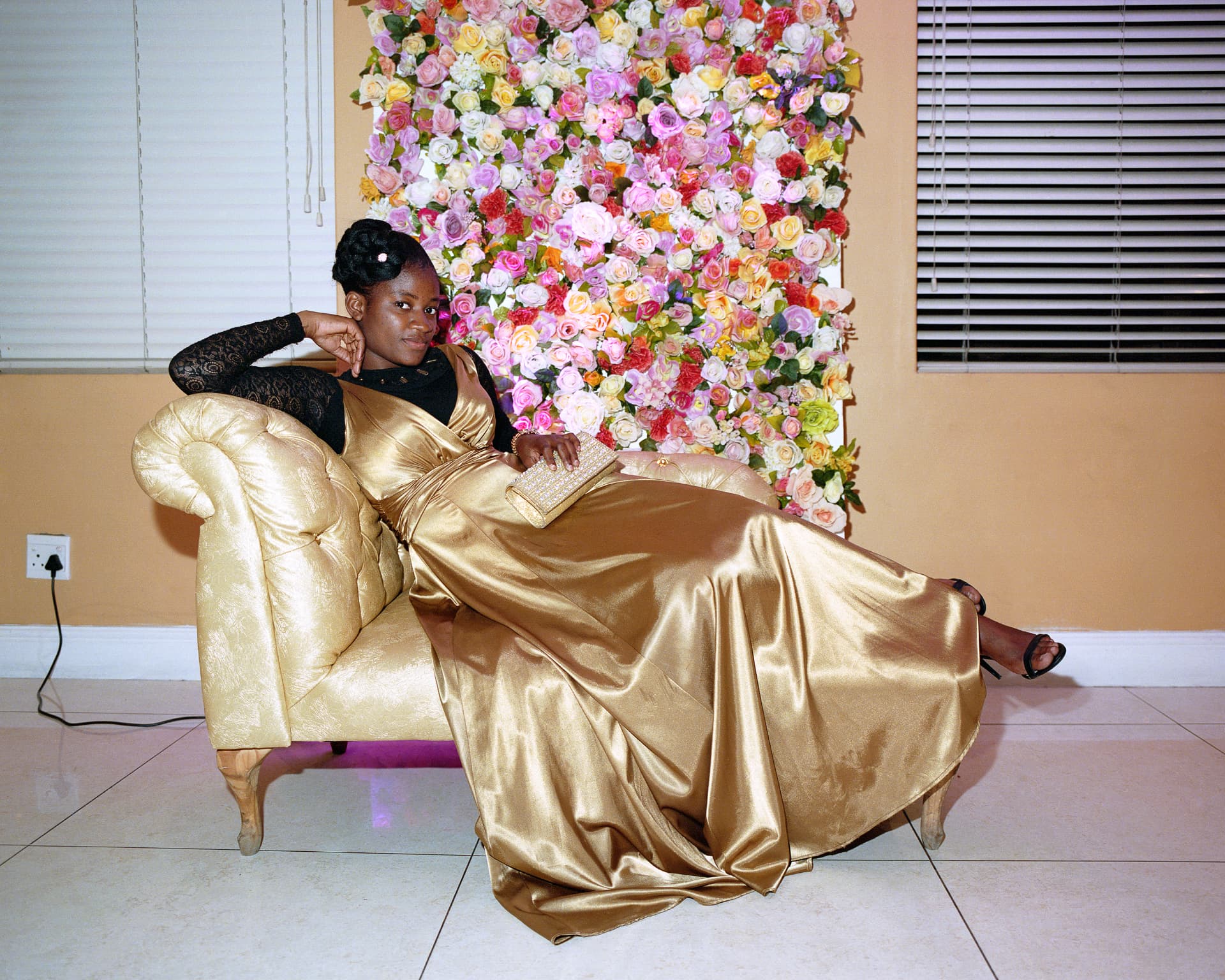
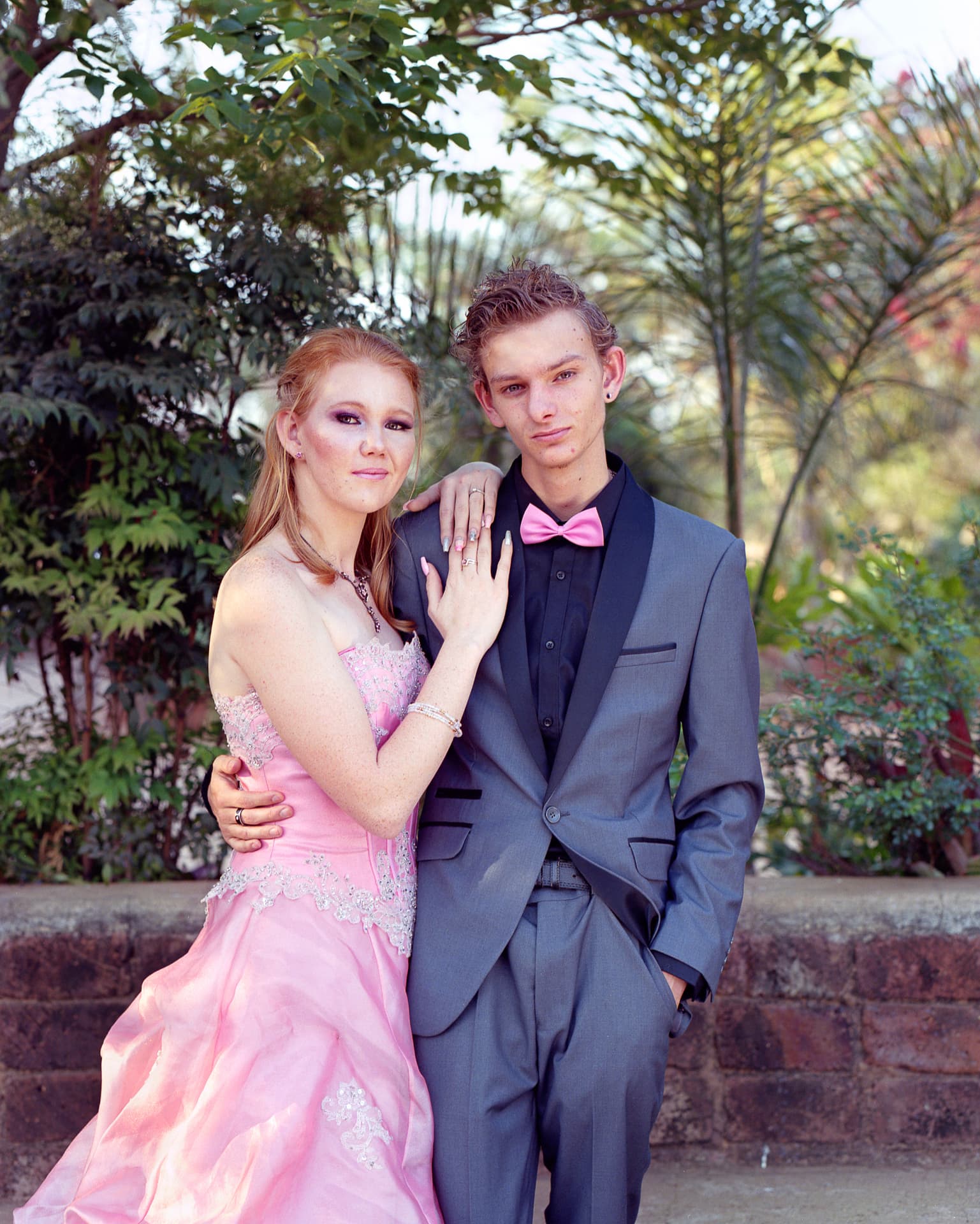
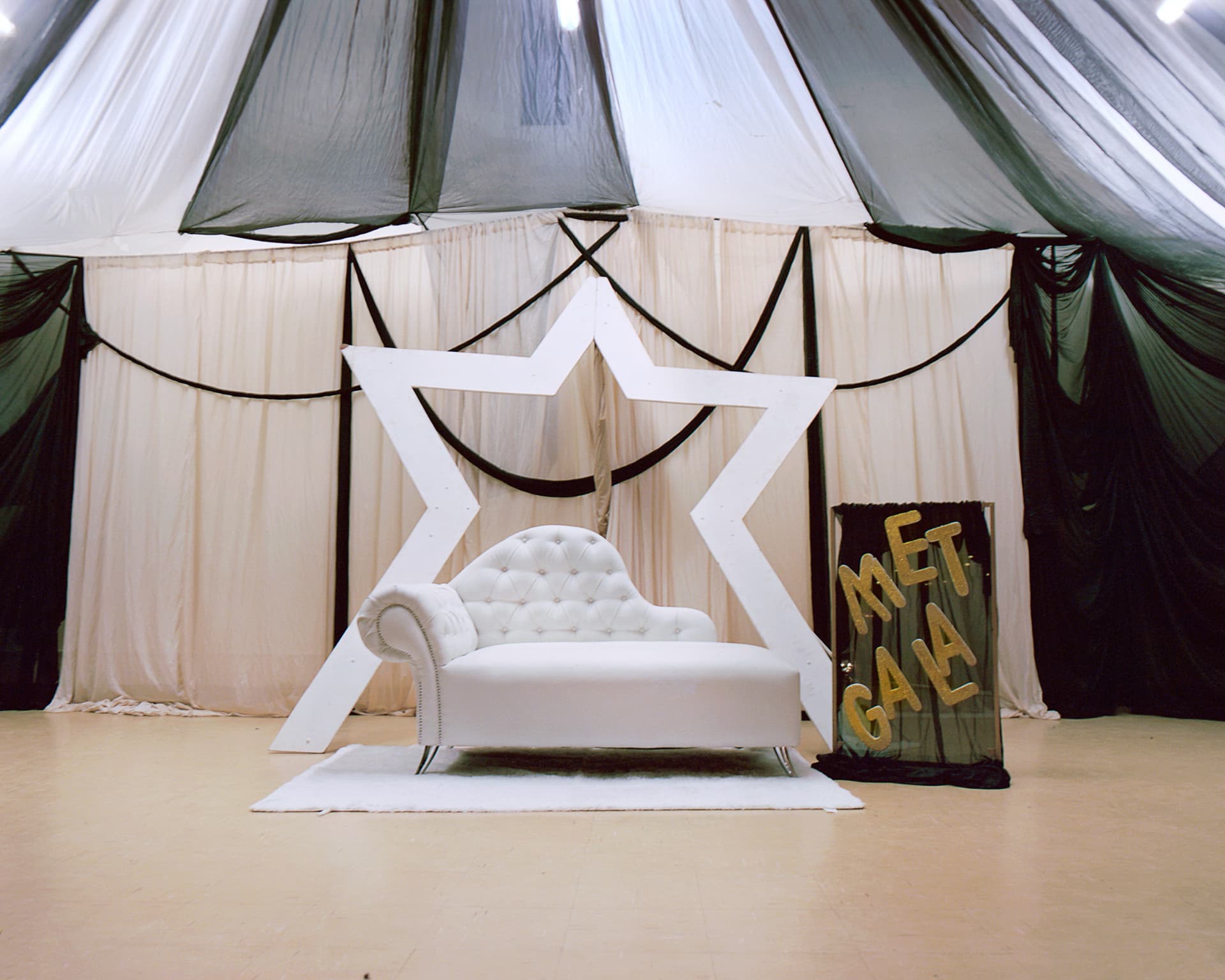
The motif of a high school ball is typically linked to 'American' proms, which for most, is a theme that is instantly recognizable and identifiable. Inspired by the rich discourse of iconic American imagery, I am intrigued by the way that these ideas play out in a contemporary South African context, where these events aspire to be particularly lavish. South Africa remains one of the most unequal societies in the world and over the course of this project, I have worked with a number of schools representing learners from very different backgrounds. Some students have dresses custom-made for them with imported fabrics, while some attendee's families raise money for them to attend or borrow outfits to wear. Sometimes the balls are held in large venues, other times the school halls are adorned for one night only, before the décor is replaced by rows of desks for year-end exams. For some, the idea of attending a matric ball is an aspirational idea and remains only a dream; many learners are unable to go because of the various costs associated with attendance.
While the deep impact of Apartheid remains, in the country's complex and visibly divided space there is something pure and democratizing about these occasions. Despite the individual challenges and contexts the students come from, at each of these events all of them look incomparably glamorous. These events are testament to the student's achievement in realizing this final chapter in their high school careers and are commemorated accordingly. In an increasingly uncertain world, I hope these images can function as a portrait of young South Africans tentative optimism for the future.